Author: admin

  • What is Marking Paint? A Complete Guide for Construction, Landscaping, and DIY

    If you’ve ever seen brightly colored lines or symbols on pavement, grass, or concrete, chances are you’re looking at marking paint. This specialized paint is essential for construction, utility work, sports fields, and even DIY landscaping. In this article, we’ll explore what marking paint is, the different types available, and how to use it effectively.

    Whether you’re a contractor or a weekend DIYer, understanding marking spray paint can save you time, improve accuracy, and increase job site safety.


    What is Marking Paint?

    Marking paint, also known as survey paint or line marking paint, is a fast-drying, highly visible paint designed to temporarily or permanently mark surfaces like asphalt, concrete, soil, gravel, and turf. It comes in a variety of colors, each often signifying a specific utility or purpose.

    Key Characteristics:

    • Fast drying (within minutes)
    • Durable and weather-resistant
    • Available in aerosol spray cans or for use in marking machines
    • Temporary (lasting days to weeks) or long-lasting (months)

    Common Uses of Marking Paint

    Marking paint is used across various industries and projects:

    🔹 Construction and Excavation

    • Outlining dig zones, trench lines, or foundation layouts
    • Color-coded utility marking (electric, gas, water, etc.)

    🔹 Utilities and Surveying

    • Locating underground cables and pipes
    • Survey marks for road work or infrastructure development

    🔹 Landscaping and Gardening

    • Laying out garden beds, fencing lines, or irrigation systems
    • Planning hardscape features like patios or walkways

    🔹 Sports and Recreation

    • Field and court boundary lines
    • Temporary event markings (races, fairs)

    🔹 Warehouse and Safety Zones

    • Floor markings for machinery paths or hazardous areas

    Types of Marking Paint

    There are two main categories of marking paint:

    1. Inverted Marking Paint (Upside-Down Spray Cans)

    Designed for use with a trigger wand or by hand, ideal for ground applications.

    Benefits:

    • Easy application
    • Less overspray
    • Common in construction and landscaping

    2. Upright Marking Paint

    Sprays from the top like traditional aerosol paint, used for stenciling or vertical surfaces.


    Marking Paint Color Codes (USA Standard)

    Different colors are used to represent different utilities or purposes. According to APWA (American Public Works Association) standards:

    ColorUse
    WhiteProposed excavation
    RedElectric power lines
    YellowGas, oil, steam
    BluePotable water
    GreenSewer and drainage
    OrangeCommunication lines
    PurpleReclaimed water
    PinkSurvey markings

    How to Use Marking Paint Effectively

    Using marking paint is simple, but there are best practices to follow:

    Clean the Surface

    Remove debris, dirt, and moisture for better paint adhesion.

    Use the Right Color

    Always follow color-coding standards for safety and clarity.

    Shake the Can Well

    At least 30 seconds of shaking ensures even pigment distribution.

    Apply Evenly

    Hold the can 6–10 inches above the surface and spray steadily.

    Use with a Marking Wand or Machine

    For long or repetitive lines, use a marking wand or line striper to ensure accuracy and reduce fatigue.


    Choosing the Best Marking Paint

    When selecting the right marking paint, consider:

    • Surface type: Asphalt, grass, concrete, etc.
    • Longevity: Temporary (30 days) vs permanent (6+ months)
    • Weather resistance: Waterproof and UV-resistant formulas
    • Dry time: Fast-drying for busy job sites

    Top Brands: Rust-Oleum, Aervoe, Krylon, Seymour, and 3M all offer reliable marking paints.


    Final Thoughts

    Marking paint is an essential tool in construction, landscaping, utilities, and more. Its versatility, visibility, and ease of use make it the go-to solution for accurate and efficient markings. By choosing the right type, color, and application method, you’ll ensure your next project is safe, compliant, and professional-looking.


    Meta Description:
    Learn what marking paint is, how it’s used in construction and landscaping, and how to choose the right type. Your complete guide to line marking paint for 2025.

    Tags:
    marking paint, line marking spray, construction paint, utility marking, survey paint, inverted marking paint, landscape marking paint, field marking paint.

    All right reserved!

  • Latest news: L.A. protests bring scattered violence

     L.A. protests bring scattered violence

    Here’s the latest on the Los Angeles protests—and yes, there has been scattered violence:


    🔥 What’s happening

    1. Origins & Scope

    • The unrest began June 6 after ICE carried out immigration raids in the Fashion District, a garment wholesaler, and in Paramount, arresting over 100 people.
    • Protests quickly escalated into disruptive demonstrations involving freeway blockages (the 101), fires, vandalism—including burned Waymo vehicles and smashed windows—and clashes with law enforcement .

    2. Authorities Respond

    • President Trump deployed approximately 2,000 National Guard troops to downtown L.A. without state approval (a rare use of Title 10).
    • Active-duty Marines have been placed on standby at Camp Pendleton in case federal forces are needed .

    3. Violence & Arrests

    • Incidents include Molotov cocktails thrown at officers, motorcycles ramming police lines, and protesters hitting police with rocks and skateboards .
    • As of June 9, police arrested over 50–60 people during weekend clashes; federal authorities say more than 30 were arrested Saturday and Sunday, with additional arrests reported Sunday .
    • A journalist was struck by a rubber bullet live on air on June 8 (Australian reporter Lauren Tomasi); thankfully injuries were non-life‑threatening.

    4. Political Clash

    • Gov. Newsom criticized the federal deployment as “illegal and unconstitutional” and plans to sue, saying the state had control without it .
    • Mayor Bass condemned the violence but defended the right to protest, calling the Guard’s presence “provocative” .
    • FBI Director Kash Patel negatively referred to the unrest as “marauding criminals,” offering federal readiness to intervene .
    • Kamala Harris, Maxine Waters, and other Democrats denounced both the federal military deployment and the use of tear gas/force against protesters.

    5. What’s next

    • Protests are expected to continue Monday (June 9) and beyond. SEIU California is organizing support rallies, and some demonstrations have already been planned.
    • With the city under heavy law enforcement presence and federal action underway, further clashes remain a strong possibility.

    From: Marking Paint  https://www.marking-paint.com

  • What is Tree Marking Paint?

    Tree Marking Paint

    PROWAY Tree Marking paint has been uniquely formulated to reduce spray drift and allow maximum accuracy in marking tree trunks, branches, logs, and timber structures. Specially formulated, lead free, solvent based aerosol marking paint for marking standing trees and logs. Heavily pigmented to provide bright visual identification at a distance. Ideal for use in marking trees, identifying lumber, and grading logs. Highly visible paint produces a concentrated, narrow spray for easy marking at longer distances. Long-lasting paint is safe for trees and adheres well to damp wood. This unique formula allows for deep penetration in any condition creating a lasting mark.

    Features:

    High yield.

    Long-lasting performance.

    deal for marking trees, lumber, logs and damp wood.

    Tree marking paint is a specialized type of paint used in forestry, landscaping, and utility management to visibly mark trees for various purposes. It is designed to adhere well to bark, resist weather, and remain visible for long periods.

    ✅ Common Uses of Tree Marking Paint:

    1. Timber Harvesting:
      Marks trees to be cut or retained during logging operations (e.g., “leave trees” or “cut trees”).
    2. Forest Management:
      Indicates boundaries, study plots, or trees selected for thinning or conservation.
    3. Utility & Survey Work:
      Identifies trees near power lines, pipelines, or other infrastructure for maintenance or removal.
    4. Insect/Disease Control:
      Marks infected or pest-infested trees that require treatment or felling.
    5. Trail/Boundary Marking:
      Used by landowners, surveyors, or government agencies to define property lines or trails.

    🛠️ Characteristics of Tree Marking Paint:

    FeatureDescription
    DurabilityWeather-resistant; can last months or years depending on formula
    VisibilityBright fluorescent or highly pigmented colors (orange, blue, red, yellow)
    Quick DryingOften dries in under 15 minutes
    Non-toxic OptionsSome are eco-friendly and safe for use in sensitive environments
    Spray or BrushAvailable in aerosol cans, bulk gallons, or brush-on types

    🎨 Common Colors & Meanings (may vary by region):

    ColorTypical Meaning
    RedCut tree
    BlueBoundary or ownership line
    OrangeMarked for removal
    GreenReserved or protected
    YellowSurvey or utility marking

    ⚠️ Safety & Regulations:

    • Many forestry agencies use standardized marking systems, especially on public lands.
    • Always follow local guidelines or forest management codes when marking trees.

    Would you like recommendations for brands or advice on how to apply it properly?

    From: Marking Paint  https://www.marking-paint.com

  • Tyre Shine Spray

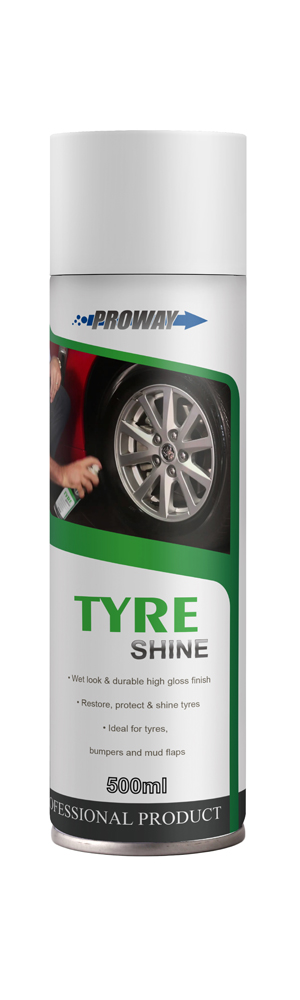
    PROWAY Tyre Shine is your one step solution to awesome looking tyres. The wet look finish will provide the ultimate high gloss look to your tyres. Effectively restores the tires, provides a deep black colour and a rich, wet shine. Forms a protective, dirt and waterproof film that protects rubber from cracking, discoloring and early aging. Tyre shine has a blend of silicone polymers which help achieve a long lasting shine, more vibrant shine. It contains UV inhibitors which help to protect your tyres against sun damage and browning meaning they will continue to look amazing. Extends the service life of hoses, door seals and other rubber parts, helping them stay elastic even in winter conditions.

    Features:Wet look & durable high gloss finish.Restore, protect & shine tyres.Ideal for tyres, bumpers and mud flaps.

    Tyre Shine Spray

    Tyre shine, also known as tire dressing, is a car detailing product designed to enhance the appearance of your vehicle’s tires by giving them a glossy, dark finish. Beyond aesthetics, it also serves to protect the rubber from environmental factors.


    What Is Tyre Shine?

    Tyre shine is typically applied to the sidewalls of tires after cleaning. It restores the deep black color of the rubber, making the tires look new and well-maintained. Additionally, many tyre shine products offer protective benefits, such as shielding the rubber from harmful UV rays and preventing premature aging and cracking .


    Types of Tyre Shine

    Tyre shine products come in various formulations, each offering different finishes and benefits:

    • Water-Based Tyre Shine: These are environmentally friendly and provide a satin or matte finish. They are less likely to sling off the tire onto the vehicle’s bodywork.
    • Solvent-Based Tyre Shine: These offer a high-gloss, wet look and are more durable. However, they can be more prone to sling and may contain chemicals that could potentially degrade the tire rubber over time .
    • Gel-Based Tyre Shine: These provide a thick, rich application that allows for precise control over the shine level. They are less messy and reduce the risk of sling compared to sprays .

    Benefits of Using Tyre Shine

    • Enhanced Appearance: Gives tires a clean, dark, and glossy finish, improving the overall look of the vehicle.
    • UV Protection: Protects the rubber from harmful ultraviolet rays, preventing fading and cracking .
    • Prevents Dry Rot: Keeps the rubber supple, reducing the risk of dry rot and extending tire life.
    • Ease of Cleaning: Creates a barrier that makes it easier to clean off dirt and brake dust.

    Application Tips

    1. Clean the Tires: Before applying tyre shine, thoroughly clean the tires to remove dirt and grime.
    2. Apply Evenly: Use an applicator pad or brush to apply the product evenly across the tire sidewall.
    3. Allow to Dry: Let the product dry completely to prevent sling onto the vehicle’s bodywork.
    4. Avoid Tread Area: Do not apply tyre shine to the tread area, as it can reduce traction.

    By incorporating tyre shine into your regular car maintenance routine, you can keep your tires looking new and protect them from environmental damage.

    From:

    https://www.probatteryer.com

    https://www.probatteryer.com/blog

    https://www.batteryer.uk/blog

    https://www.batteryer.sg/blog

    https://www.batteryer.nz/blog

  • What is Wheel Spray? | marking-paint.com

    Wheel spray refers to the water, mud, dirt, or debris that is thrown into the air by a rotating tire, especially when a vehicle is moving on wet or dirty roads. It’s a common term in automotive and transport industries, particularly in the context of:


    🚛 Commercial Vehicle Safety

    In large trucks and trailers:

    • Wheel spray can reduce visibility for other drivers (especially behind the vehicle).
    • It’s a major hazard during rainy or snowy conditions.
    • To address this, vehicles often use spray suppression systems, such as:
      • Spray flaps or mud flaps behind the wheels.
      • Spray suppression guards integrated into wheel arches.

    🛣️ Road Design and Regulation

    Some road regulations (especially in Europe and North America) mandate anti-spray devices on heavy-duty vehicles to:

    • Improve road safety.
    • Reduce the environmental spread of pollutants.
    • Comply with transport safety standards (e.g., EU Directive 91/226/EEC on spray suppression).

    🧼 Car Detailing Context

    In detailing or cleaning:

    • “Wheel spray” might refer to aerosol or liquid products applied to clean wheels (e.g., brake dust remover).
    • This usage is different and more about cleaning and aesthetics than safety.

    Wheel Spray

    Wheel Spray
https://www.marking-paint.com/marking-paint-images/Wheel-Cleaner.jpg

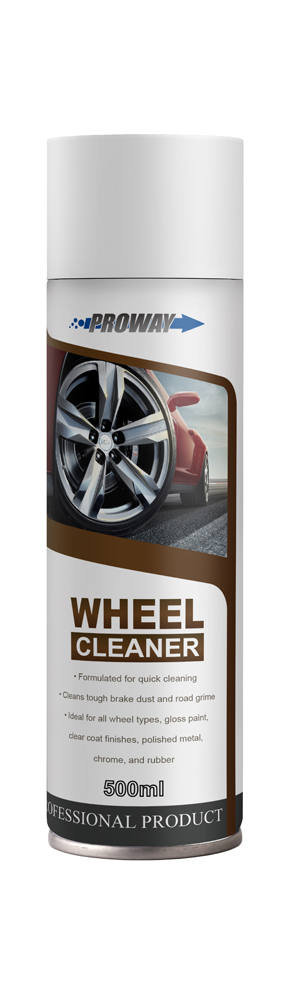
    PROWAY Wheel Spray is a neutral, acid-free wheel Spray used to remove stuck brake dust, oil stains, tar and road grime from wheels. It works quickly, efficiently and gently. Gives a shiny gloss to the surface. The foam compound stays long on the surface. Can be applied to all wheel types. Safe for tires. The pH-balanced formula contains no strong acids or bases, and is safe for all types of wheel finishes. Clean painted, chrome, polished, cast, forged, anodized, carbon fiber, and even laced motorcycle wheels with PROTEX Wheel Spray . Simply spray on, then wipe off with a microfiber towel to remove dirt, filth, and brake dust from any wheel surface. It also cleans and restores a new look to tire sidewalls .

    Features:Formulated for quick cleaning.Cleans tough brake dust and road grime.deal for all wheel types, gloss paint, clear coat finishes, polished metal, chrome, and rubber.

    Would you like information on the engineering, safety devices, or cleaning products aspect of wheel spray?

    From:

    https://www.marking-paint.com/Wheel-Cleaner.html

    https://www.probatteryer.com

    https://www.probatteryer.com/blog

    https://www.batteryer.uk/blog

    https://www.batteryer.sg/blog

    https://www.batteryer.nz/blog

  • What is animal marking paint?

    Animal marking paint is a type of non-toxic, temporary paint used to identify, track, or manage animals, especially in farming, veterinary, and wildlife settings. It is designed to be safe for animal skin or fur and highly visible, even from a distance.


    🐄 Common Uses of Animal Marking Paint:

    1. Livestock management
      • To identify animals for breeding, vaccination, or treatment.
      • To mark animals for sorting, sale, or culling.
      • Often used on cows, sheep, pigs, and goats.
    2. Veterinary identification
      • To mark animals post-surgery or after administering medication.
    3. Wildlife research
      • Temporary tracking of wild animals for behavioral or movement studies.
    4. Competitions and Shows
      • Used to number or mark animals during agricultural shows or competitions.

    Features of Animal Marking Paint:

    • Non-toxic & animal-safe
      Formulated to avoid harming skin, fur, or health.
    • Bright and highly visible
      Often in neon colors like orange, green, blue, or pink.
    • Weather-resistant
      Designed to withstand rain and sunlight but still wear off after days or weeks.
    • Different forms
      • Aerosol spray cans (most common)
      • Roll-on or brush-on paints
      • Chalk-based markers

    🧪 Typical Ingredients:

    • Water or oil-based paint
    • Pigments (safe dyes)
    • Solvents or propellants (in sprays)
    • Sometimes additives to improve adhesion or visibility

    🛠️ Examples of Popular Brands:

    • Allflex
    • Suremark
    • Raidex
    • Ketchum
    • Neogen

    If you’re planning to use it, always check the label for:

    • Species compatibility (some are specific to cattle, sheep, etc.)
    • Longevity (temporary vs. semi-permanent)
    • Drying time and application method

    All right reserved!

    From: Marking Paint Manufacturer https://www.marking-paint.com

  • How to deal with uneven paint spraying?

    Uneven paint spraying can be frustrating, especially when you’re working on detailed or large surfaces. Here are some key steps to troubleshoot and resolve the issue:

    1. Check the Paint Consistency

    • Too Thick or Too Thin: If the paint is too thick, it can clog the nozzle, causing uneven spray patterns. On the other hand, if it’s too thin, it might spray too lightly or drip. Make sure the paint is properly mixed and at the right viscosity.
    • Solution: If it’s too thick, you can dilute the paint slightly with water or a thinner (depending on the type of paint). If it’s too thin, try adding a little more paint to achieve the right consistency.

    2. Inspect the Spray Gun or Nozzle

    • Clogs or Build-up: Over time, paint residue can build up inside the spray gun, especially if it’s oil-based or has dried on the nozzle. This can cause the spray to become uneven or splattered.
    • Solution: Clean the spray gun thoroughly before and after each use. Pay special attention to the nozzle and air cap. If necessary, disassemble the gun and use a solvent to clean the components.

    3. Adjust the Pressure

    • Inconsistent Pressure: If the air pressure isn’t consistent or too high/low, the paint won’t be distributed evenly.
    • Solution: Check the air compressor settings. Aim for the pressure recommended for the type of paint you are using. Most spray guns work best at around 30-40 PSI, but this can vary based on the specific gun and paint type.

    4. Spray Technique

    • Wrong Distance or Angle: Holding the gun too close or too far from the surface, or spraying at the wrong angle, can cause uneven coverage. Too close can lead to paint build-up, while too far can result in a light mist that doesn’t adhere properly.
    • Solution: Maintain a consistent distance (usually around 6–8 inches) from the surface and keep the gun perpendicular to the surface. Always move your hand steadily across the area with overlapping passes.

    5. Spray Pattern and Settings

    • Incorrect Spray Pattern: Different spray guns have various settings to control the fan width, spray pattern, and the amount of paint released. If these aren’t set properly, it can lead to uneven application.
    • Solution: Adjust the nozzle to create an even, consistent spray pattern. Test on a piece of scrap material before you begin your project. Many spray guns allow you to adjust the fan pattern (horizontal, vertical, or circular), so choose the one that works best for your project.

    6. Environmental Factors

    • Temperature and Humidity: Paint can behave unpredictably in extreme conditions. High humidity or very cold temperatures can cause the paint to dry too quickly or unevenly, leading to streaks or patches.
    • Solution: Try to spray in a controlled environment where the temperature is moderate and humidity is low. If you’re spraying outdoors, avoid windy or rainy days.

    7. Surface Preparation

    • Unprepared Surface: If the surface isn’t prepped properly (i.e., it’s too dirty, dusty, or not primed correctly), the paint may not adhere evenly.
    • Solution: Clean the surface thoroughly and sand it if necessary to create a smooth, even base for the paint. Apply a primer if required, especially if you’re painting a porous or slick surface.

    8. Spray Gun Quality and Condition

    • Poor Quality Gun or Wear and Tear: Over time, the internal components of spray guns can degrade, causing uneven spray.
    • Solution: Ensure you’re using a high-quality spray gun that suits your project. If your gun is older, it might need replacement parts or upgrading.

    9. Test and Practice

    • Test the Spray: Before spraying your actual surface, always do a test on scrap material. This will help you adjust the settings, technique, and material mix without ruining the final product.

    By checking these factors, you can usually fix the uneven spray problem. It might take some trial and error to get it just right, but once you find the right technique and settings, the results should be much smoother!

    Are you working on a particular project, or is this a general paint-spraying issue you’re facing?

    From: Marking Paint Manufacturer https://www.marking-paint.com

  • What are the advantages of Chinese marking paint in the world?

    Guangdong road marking paint, specifically from the Guangdong province in China, has gained recognition for its durability and performance in road marking solutions. Here are some advantages of this paint on a global scale:

    1. Durability & Longevity

    Guangdong road marking paints are known for their long-lasting properties, even in extreme weather conditions like heavy rain, high temperatures, or cold climates. The formulations typically use high-quality resins that provide resistance to wear and tear, making the markings visible for longer periods.

    2. High Reflectivity

    The road marking paint is often formulated with glass beads or reflective materials that enhance visibility at night or in low-visibility conditions, improving road safety. This is especially important in places with heavy traffic or regions with long winters and reduced daylight hours.

    3. Cost-Effectiveness

    Compared to some international brands, Chinese road marking paints from Guangdong can be more affordable, while still offering competitive performance. This cost-effectiveness makes them attractive for large-scale infrastructure projects, especially in developing regions.

    4. Variety of Products

    Guangdong manufacturers often provide a range of products suited for different types of road surfaces and environmental conditions. This flexibility allows them to cater to both urban and rural road marking needs, offering everything from thermoplastic to water-based paints and cold plastic options.

    5. Eco-Friendly Options

    With global awareness of environmental issues growing, some manufacturers in Guangdong have moved towards producing low-VOC (volatile organic compounds) and non-toxic road marking paints. This makes them a more environmentally friendly choice, aligning with global trends towards sustainability.

    6. Strong International Export Capability

    The region’s established export channels and competitive pricing have made Guangdong road marking paint a popular choice in many countries. Its reputation for consistency in production quality has also contributed to its global demand.

    7. Customization

    Chinese manufacturers in Guangdong often offer a high degree of customization for different countries’ specific needs, whether in terms of color, formula, or performance standards. This flexibility can be appealing to international clients who need tailored solutions for local regulations.

    8. Efficiency in Application

    The paints are typically designed to be easy to apply, whether using spray equipment, brushes, or machines. Some formulations, like thermoplastic paints, harden quickly, allowing for faster installation with minimal downtime on roads.

    9. Compliance with International Standards

    Many manufacturers in Guangdong produce road marking paint that meets or exceeds international road safety and performance standards, ensuring that the product is acceptable for use in various regions with stringent requirements.

    10. Innovative Technologies

    Guangdong’s road marking paint industry has been incorporating more advanced technology in its production processes, such as the development of fast-drying formulations and paints that can withstand heavy traffic.

    Overall, Guangdong road marking paint is seen as a high-quality, affordable option with global appeal, especially for projects that require large volumes of road marking paint. Its ability to balance cost and performance is what has made it a popular choice in many international markets.

  • Why is the paint spray valve clogged? | marking-paint.com

    A clogged paint spray valve is a common issue that can affect the performance of a spray gun. There are several reasons why this might happen, and understanding the cause can help in fixing it and preventing future clogs. Here are the most common reasons for a clogged paint spray valve:

    1. Dry or Thick Paint

    • Cause: Paint that is too thick or has dried up can easily clog the spray valve. This is especially a problem with oil-based or thicker paints, which can dry quickly and form a block in the nozzle or valve.
    • Solution: Make sure the paint is properly thinned to the manufacturer’s recommended consistency. If paint has dried in the valve, clean it thoroughly. Consider using a paint strainer to prevent any thick or dried chunks from entering the spray gun.

    2. Improper Cleaning

    • Cause: If the spray valve isn’t cleaned thoroughly after each use, paint residue can build up over time and cause a clog. Paint left inside the nozzle or valve can harden, leading to obstruction.
    • Solution: Clean your spray gun thoroughly after each use, especially the nozzle, valve, and air cap. Use the recommended cleaning solution or solvent based on the type of paint you’re using (water-based or solvent-based).

    3. Dirty or Contaminated Air Supply

    • Cause: Air compressors can introduce moisture, oil, or dirt into the spray gun, which can clog the spray valve.
    • Solution: Ensure the air supply is clean and dry. Use an air filter or moisture trap on the air compressor to prevent moisture from getting into the spray gun. Regularly clean the air lines and the air cap on the spray gun to avoid contamination.

    4. Paint Too Old or Settled

    • Cause: Old paint or paint that has been left sitting for a long period of time can start to separate or form clumps, which can clog the valve.
    • Solution: Always use fresh paint and mix it well before use. If you’ve been storing paint for a while, make sure to stir it thoroughly to ensure there’s no thickened material or separation.

    5. Incorrect Spray Pressure

    • Cause: Too much or too little air pressure can affect the flow of paint and lead to clogging. If the pressure is too low, the paint may not be atomized correctly, leading to blockages in the valve.
    • Solution: Check the recommended spray pressure for your specific spray gun and paint type. Ensure that the compressor is providing the correct airflow and pressure to achieve optimal spraying conditions.

    6. Incompatible Nozzle or Tip Size

    • Cause: If the nozzle or tip size is too small for the type of paint you’re using, it can easily become clogged, especially with thicker or more viscous paints.
    • Solution: Make sure the spray gun’s nozzle and tip size are appropriate for the paint you are using. For thicker paints, consider using a larger nozzle or tip.

    7. Incorrect Paint Filter

    • Cause: Using a filter that is too fine for the paint you’re using can cause a clog in the valve or nozzle. Paint with particles or contaminants can also get stuck in the filter, leading to a blockage.
    • Solution: Use the appropriate mesh filter for your paint. For thicker paints, a coarser filter may be necessary.

    8. Air or Fluid Valve Problems

    • Cause: Sometimes the internal air or fluid valve inside the spray gun may malfunction, which could block the flow of paint.
    • Solution: Regular maintenance and checking of the valves and springs inside the spray gun can help identify potential issues. If you notice that the valve is not operating smoothly, it may need to be repaired or replaced.

    9. Temperature and Humidity

    • Cause: If the paint is exposed to high heat or fluctuating humidity, it can dry out or thicken, causing clogs in the valve.
    • Solution: Store paint in cool, dry conditions and avoid painting in extremely hot or humid weather. Make sure to adjust the paint’s consistency for the current environmental conditions.

    10. Airless Spray Gun Issues

    • Cause: In airless spray guns, a clogged valve can also be caused by a buildup of paint or debris in the spray hose or gun. With airless systems, the paint is pushed at high pressure, and any obstruction can cause problems.
    • Solution: In addition to cleaning the spray gun itself, clean the hose thoroughly. Consider using a cleaning solution specifically designed for airless spray guns to break down any hardened paint.

    How to Fix a Clogged Paint Spray Valve:

    • Disassemble the Spray Gun: Carefully remove the nozzle, valve, and any other removable parts.
    • Clean Thoroughly: Use a solvent or cleaning solution suitable for the type of paint you’ve used. Soak and scrub any parts that have hardened paint.
    • Check the Air and Fluid Pathways: Ensure no debris or dried paint is blocking the airflow or fluid path.
    • Reassemble and Test: Once cleaned, reassemble the spray gun and test it with some water or a thin solvent to check for proper function before using it with paint again.

    Regular maintenance, cleaning, and proper paint preparation can greatly reduce the risk of clogging and keep your spray system working smoothly.

    All right reserved!

  • How to produce the long-lasting marking paint?

    Producing long-lasting marking paint requires careful formulation and application techniques to ensure durability under various environmental conditions (e.g., UV exposure, abrasion, moisture, and temperature fluctuations). Below is a step-by-step guide to creating a high-performance, durable marking paint:


    1. Key Ingredients for Long-Lasting Paint

    ComponentPurposeRecommended Choices
    Binder/ResinAdhesion and durabilityEpoxy, polyurethane, acrylic, or alkyd resins
    PigmentsColor and UV resistanceTitanium dioxide (white), chrome yellow, UV-stable organic pigments
    FillersBulk, abrasion resistanceCalcium carbonate, silica, quartz powder
    SolventsAdjust viscosity and drying timeWater (for water-based), xylene, or ketones (for solvent-based)
    AdditivesEnhance performanceUV stabilizers, anti-settling agents, plasticizers, anti-skid particles (glass beads)

    2. Formulation Process

    Step 1: Base Preparation

    • Water-Based Paint: Mix water with acrylic resin (e.g., 40-60% resin by weight).
    • Solvent-Based Paint: Combine solvents (e.g., xylene) with epoxy or polyurethane resin.

    Step 2: Pigment Dispersion

    • Add pigments (15-25%) and fillers (10-20%) to the base.
    • Use a high-speed disperser or ball mill to grind and homogenize the mixture (prevents clumping).

    Step 3: Additives Incorporation

    • Mix in UV stabilizers (1-3%) to prevent fading.
    • Add anti-settling agents (e.g., bentonite clay) to maintain consistency.
    • For road markings, include retroreflective glass beads (20-30% by volume) during application.

    Step 4: Adjust Viscosity

    • Use thickeners (e.g., cellulose ethers) or solvents to achieve optimal viscosity for spraying or brushing.

    3. Application Techniques for Durability

    • Surface Preparation: Clean and dry the substrate (e.g., concrete, asphalt) to remove oil, dust, or debris.
    • Priming: Apply a primer (e.g., epoxy primer) for better adhesion on porous surfaces.
    • Application:
      • Spraying: Use airless sprayers for even coating.
      • Extrusion: For thick line markings (e.g., roads).
    • Curing:
      • Heat-cure solvent-based paints at 60-80°C for 1-2 hours.
      • Water-based paints air-dry but may require 24-48 hours for full curing.

    4. Testing for Longevity

    • Abrasion Resistance: Test with a Taber Abraser (ASTM D4060).
    • Weathering: Expose to UV lamps and humidity cycles (ASTM G154).
    • Chemical Resistance: Check resistance to fuels, oils, and detergents.
    • Adhesion: Perform cross-hatch adhesion test (ASTM D3359).

    5. Example Formulations

    Road Marking Paint (Solvent-Based)

    IngredientPercentage
    Epoxy resin35%
    Titanium dioxide20%
    Calcium carbonate15%
    Xylene (solvent)25%
    UV stabilizer2%
    Glass beads3% (added during application)

    Water-Based Floor Marking Paint

    IngredientPercentage
    Acrylic resin50%
    Chrome yellow pigment18%
    Silica filler12%
    Water15%
    Thickener3%
    Biocide2%

    6. Tips for Enhanced Durability

    • Layering: Apply multiple thin coats rather than one thick layer.
    • Anti-Skid Additives: Mix in fine sand or aluminum oxide for slip resistance.
    • Topcoat: Seal with a clear polyurethane topcoat for extra protection.
    • Climate Adaptation:
      • Cold climates: Use fast-drying solvents.
      • Humid climates: Add fungicides to prevent mold.

    7. Compliance and Safety

    • Follow EPA/VOC regulations (e.g., ≤ 150 g/L for water-based paints in the U.S.).
    • Use PPE (gloves, masks) when handling solvents or pigments.

    Key Takeaway

    Long-lasting marking paint relies on high-quality resinsUV-resistant pigments, and proper application. Always test the formulation under real-world conditions and prioritize additives that combat specific environmental stressors. For industrial use, epoxy or polyurethane-based paints are optimal, while water-based acrylics suit eco-friendly indoor applications.

    All right reserved!