Tag: marking paint

  • Chinese Marking Paint Manufacturers: Complete Guide (2026) by Proway

    Chinese marking paint manufacturer   https://www.marking-paint.com/

    What Is A Chinese Marking Paint Manufacturer?

    Chinese marking paint manufacturer is a company that produces aerosol spray paints designed for temporary or permanent surface markings. These paints are widely used in construction, surveying, landscaping, road marking, and underground utility identification. Many global buyers choose Chinese manufacturers because they offer competitive pricing, large production capacity, and OEM customization services.

    What Is Marking Paint?

    Marking paint is a fast-drying aerosol spray paint used to create visible markings on surfaces such as soil, grass, asphalt, and concrete. It is commonly used by construction crews, surveyors, landscaping teams, and utility companies to mark locations, boundaries, and underground infrastructure.

    Typical characteristics of marking paint include:Fast drying timeHigh visibility colorsWeather resistanceTemporary or permanent marking options

    These features make marking paint an essential tool in infrastructure and construction projects.

    Why Many Marking Paint Manufacturers Are Located in China?

    Many international buyers source marking paint from China because the country has a well-developed aerosol manufacturing industry. Chinese manufacturers can produce high volumes of marking paint manufacturer while maintaining competitive prices.

    Key advantages include:

    1. Large Production Capacity

    Many factories in China operate automated aerosol filling lines capable of producing tens of thousands of cans per day.

    2. Competitive Pricing

    Lower production costs allow Chinese suppliers to offer competitive wholesale prices for bulk orders.

    3. OEM and Private Label Services

    Most manufacturers provide OEM services such as:Custom brand labelsCustomized paint formulasDifferent can sizes and packaging

    4. Export Experience

    Chinese manufacturers often export to markets such as:North AmericaEuropeAustraliaSoutheast Asia

    These advantages can make you meet your requirements more easily.

    Types of Marking Paint Produced by Chinese Manufacturers

    Chinese marking paint manufacturers typically produce several types of marking paints for different applications.

    Inverted Marking Paint

    Inverted marking paint is designed to be used with a marking wand or marking gun. The spray valve is positioned upside down to allow easy ground marking.

    Common uses include:Utility locatingConstruction site markingSurvey marking

    Spot Marking Paint

    Spot marking paint is used to create dots or small marks on surfaces. It is commonly used in landscaping and surveying applications.

    Line Marking Paint

    Line marking paint is designed to create continuous lines on surfaces such as sports fields, roads, and parking lots.

    Temporary Marking Paint

    Temporary marking paint is designed to fade naturally after a certain period. It is commonly used for short-term construction or landscaping projects.

    Utility Marking Paint Color Codes

    Many construction and utility projects follow standardized color codes for underground utilities. These colors help workers quickly identify the type of infrastructure beneath the ground.

    ColorMeaning
    RedElectric power lines
    YellowGas, oil, or steam lines
    BlueWater lines
    GreenSewer and drain lines
    OrangeCommunication cables
    WhiteProposed excavation areas

    These color codes are widely used by utility companies and construction contractors.

    Utility Marking Paint Color Codes

    When sourcing marking paint from China, buyers should consider several factors to ensure product quality and reliable supply.

    Manufacturing Experience

    Choose manufacturers with experience in aerosol paint production and international exports.

    Certifications

    Reliable manufacturers may provide certifications such as:ISO quality management systemsSafety and environmental compliance

    Production Capacity

    Factories with automated production lines can handle large orders and ensure consistent product quality.

    Customization Options

    OEM services such as private labeling and customized formulas can help buyers build their own brands.

    FAQ: Chinese Marking Paint Manufacturers

    What does a marking paint manufacturer produce?

    A marking paint manufacturer produces aerosol spray paints designed for marking surfaces in construction, surveying, landscaping, and infrastructure projects.

    Why do many companies buy marking paint from China?Many companies source marking paint from China because manufacturers offer competitive prices, large-scale production capacity, and OEM private label services.

    Is marking paint permanent?

    Some marking paints are designed for temporary markings that fade over time, while others are formulated for long-lasting markings on construction sites or industrial surfaces.

    What industries use marking paint?

    Marking paint is widely used in industries such as construction, landscaping, surveying, underground utility maintenance, and sports field marking.

    Conclusion:

    Chinese marking paint manufacturers play an important role in the global supply of aerosol marking paints. With strong manufacturing capacity, competitive pricing, and flexible OEM services, many international buyers choose China as their primary sourcing destination for marking paint products.

    When selecting a supplier, buyers should evaluate manufacturing experience, product quality, certifications, and customization capabilities to ensure a reliable long-term partnership.

    Written By Proway Marking-Paint.com Team

    David Lee

    From: https://www.marking-paint.com/chinese-marking-paint-manufacturer-guide.html
  • Title: Marking Paint News in January: Industry Trends, Demand Growth, and Innovations

    Marking Paint News in January: Industry Trends and Market Developments

    January brought several important developments in the global marking paint industry. From increased infrastructure spending to new environmentally friendly formulations, the marking paint market continues to evolve as construction, forestry, and utility sectors expand their demand for reliable marking solutions.

     We are the best Chinese Marking Paints supplier !  Highest quality at the cheapest price! All of our Marking Paints made by PROWAY are made with high quality safe parts and are guaranteed to meet or even exceed the ISO 9001:2015 system standard and RoHS certified. 
From: 	Marking Paint Manufacturer	https://www.marking-paint.com

    Rising Infrastructure Projects Boost Marking Paint Demand

    At the start of the year, many countries accelerated infrastructure projects, including highway maintenance, pipeline construction, and urban development. These projects require extensive use of line marking paint and spot marking paint for surveying, excavation planning, and safety markings.

    Contractors and utility companies rely heavily on temporary marking paints to identify underground utilities, construction boundaries, and hazard areas. The growth in transportation and energy projects is expected to drive steady demand for marking paint throughout the year.

    Eco-Friendly Marking Paint Becomes a Key Trend

    Environmental regulations are becoming stricter in North America and Europe. As a result, manufacturers are developing low-VOC (volatile organic compound) marking paints that reduce environmental impact while maintaining high visibility and durability.

    Water-based formulations and biodegradable marking paints are gaining attention among construction companies seeking sustainable alternatives. These innovations allow contractors to meet environmental standards without sacrificing performance.

    Forestry and Utility Industries Continue to Expand Usage

    Beyond construction, marking paint remains essential in forestry management and utility maintenance. Forestry workers use bright colors to mark trees for harvesting or conservation, while utility crews rely on marking paint to locate underground cables, gas lines, and water pipes.

    January reports indicate that demand from these sectors remains strong, especially in regions experiencing increased logging operations and energy infrastructure expansion.

    Technology Improvements in Spray Paint Cans

    Manufacturers are also improving aerosol spray can technology. New nozzle designs allow more precise spraying, while upside-down spray capability makes marking paint easier to use on rough terrain.

    Some companies are also introducing faster-drying formulas designed for cold weather conditions, which is particularly useful for winter construction and outdoor utility work.

    Outlook for the Marking Paint Market in 2026

    Industry analysts expect the marking paint market to grow steadily in 2026 due to:

    • Expanding infrastructure construction
    • Increased forestry and land management activities
    • Greater adoption of environmentally friendly paint formulations
    • Technological improvements in aerosol spray systems

    With these trends shaping the industry, marking paint manufacturers and suppliers are likely to see continued opportunities in global markets throughout the year.

    From: Marking Paint Manufacturer https://www.marking-paint.com

  • Marking Paint Industry News – September 2025 Update

    Marking Paint Manufacturer		https://www.marking-paint.com

    Global Marking Paint Market Trends in September 2025

    September 2025 brought several key developments in the global marking paint industry, highlighting a continued shift toward sustainability, smart marking solutions, and stronger regulatory compliance in major markets like the EU, USA, and Australia.

    According to recent market analyses, the demand for low-VOC and water-based marking paints is growing steadily, as governments push for stricter environmental standards. Manufacturers are rapidly adapting by introducing bio-based formulations and UV-resistant coatings to improve durability while reducing environmental impact.


    Innovation Spotlight: Smart and Reflective Marking Paints

    Several manufacturers launched new reflective and temperature-adaptive paints this month. These advanced coatings change visibility based on lighting and weather conditions, enhancing road safety during nighttime or rainy environments.
    Some brands also introduced sensor-integrated line marking systems, which work alongside autonomous vehicles and smart city infrastructure — a major step toward future-ready transportation.


    Factory and Brand Updates

    • Aeropak and Dy-Mark both announced expansions in aerosol-based marking paint production to meet growing demand in construction and sports field applications.
    • Chinese suppliers in Guangdong and Jiangsu reported increased export volumes to the European market, mainly due to improved quality standards and competitive pricing.
    • Several Australian and UK distributors have introduced private-label marking paints under eco-friendly branding to cater to public sector projects emphasizing sustainability.

    Regulatory and Safety Developments

    In September 2025, new transport and labeling guidelines for aerosol paints took effect across the EU. These updates require clearer hazard communication and improved packaging safety standards for export-oriented manufacturers.
    Industry experts recommend that all suppliers review UN1950 classification rules and update their shipping documentation accordingly to prevent customs delays.


    Outlook for Q4 2025

    The marking paint sector is expected to continue its upward trajectory into the final quarter of 2025. Growth will likely be driven by infrastructure renovation projects, the global sports event calendar, and ongoing demand for customized marking solutions across logistics and industrial facilities.


    Conclusion:
    September 2025 reaffirmed that the marking paint industry is entering a new era of innovation, sustainability, and digital integration. Businesses that stay ahead with eco-friendly products and compliance-ready operations will lead the next phase of growth.

    Meta Description:
    Discover the latest marking paint news for September 2025 — from eco-friendly innovations to global market trends, factory updates, and safety regulation changes that are shaping the future of line marking paints.

    Tags:
    marking paint, road marking paint, line marker, aerosol paint, traffic paint, industrial coatings, paint industry news, eco-friendly paint, September 2025 updates

  • What is Marking Paint? A Complete Guide for Construction, Landscaping, and DIY

    If you’ve ever seen brightly colored lines or symbols on pavement, grass, or concrete, chances are you’re looking at marking paint. This specialized paint is essential for construction, utility work, sports fields, and even DIY landscaping. In this article, we’ll explore what marking paint is, the different types available, and how to use it effectively.

    Whether you’re a contractor or a weekend DIYer, understanding marking spray paint can save you time, improve accuracy, and increase job site safety.


    What is Marking Paint?

    Marking paint, also known as survey paint or line marking paint, is a fast-drying, highly visible paint designed to temporarily or permanently mark surfaces like asphalt, concrete, soil, gravel, and turf. It comes in a variety of colors, each often signifying a specific utility or purpose.

    Key Characteristics:

    • Fast drying (within minutes)
    • Durable and weather-resistant
    • Available in aerosol spray cans or for use in marking machines
    • Temporary (lasting days to weeks) or long-lasting (months)

    Common Uses of Marking Paint

    Marking paint is used across various industries and projects:

    🔹 Construction and Excavation

    • Outlining dig zones, trench lines, or foundation layouts
    • Color-coded utility marking (electric, gas, water, etc.)

    🔹 Utilities and Surveying

    • Locating underground cables and pipes
    • Survey marks for road work or infrastructure development

    🔹 Landscaping and Gardening

    • Laying out garden beds, fencing lines, or irrigation systems
    • Planning hardscape features like patios or walkways

    🔹 Sports and Recreation

    • Field and court boundary lines
    • Temporary event markings (races, fairs)

    🔹 Warehouse and Safety Zones

    • Floor markings for machinery paths or hazardous areas

    Types of Marking Paint

    There are two main categories of marking paint:

    1. Inverted Marking Paint (Upside-Down Spray Cans)

    Designed for use with a trigger wand or by hand, ideal for ground applications.

    Benefits:

    • Easy application
    • Less overspray
    • Common in construction and landscaping

    2. Upright Marking Paint

    Sprays from the top like traditional aerosol paint, used for stenciling or vertical surfaces.


    Marking Paint Color Codes (USA Standard)

    Different colors are used to represent different utilities or purposes. According to APWA (American Public Works Association) standards:

    ColorUse
    WhiteProposed excavation
    RedElectric power lines
    YellowGas, oil, steam
    BluePotable water
    GreenSewer and drainage
    OrangeCommunication lines
    PurpleReclaimed water
    PinkSurvey markings

    How to Use Marking Paint Effectively

    Using marking paint is simple, but there are best practices to follow:

    Clean the Surface

    Remove debris, dirt, and moisture for better paint adhesion.

    Use the Right Color

    Always follow color-coding standards for safety and clarity.

    Shake the Can Well

    At least 30 seconds of shaking ensures even pigment distribution.

    Apply Evenly

    Hold the can 6–10 inches above the surface and spray steadily.

    Use with a Marking Wand or Machine

    For long or repetitive lines, use a marking wand or line striper to ensure accuracy and reduce fatigue.


    Choosing the Best Marking Paint

    When selecting the right marking paint, consider:

    • Surface type: Asphalt, grass, concrete, etc.
    • Longevity: Temporary (30 days) vs permanent (6+ months)
    • Weather resistance: Waterproof and UV-resistant formulas
    • Dry time: Fast-drying for busy job sites

    Top Brands: Rust-Oleum, Aervoe, Krylon, Seymour, and 3M all offer reliable marking paints.


    Final Thoughts

    Marking paint is an essential tool in construction, landscaping, utilities, and more. Its versatility, visibility, and ease of use make it the go-to solution for accurate and efficient markings. By choosing the right type, color, and application method, you’ll ensure your next project is safe, compliant, and professional-looking.


    Meta Description:
    Learn what marking paint is, how it’s used in construction and landscaping, and how to choose the right type. Your complete guide to line marking paint for 2025.

    Tags:
    marking paint, line marking spray, construction paint, utility marking, survey paint, inverted marking paint, landscape marking paint, field marking paint.

    All right reserved!

  • How to deal with uneven paint spraying?

    Uneven paint spraying can be frustrating, especially when you’re working on detailed or large surfaces. Here are some key steps to troubleshoot and resolve the issue:

    1. Check the Paint Consistency

    • Too Thick or Too Thin: If the paint is too thick, it can clog the nozzle, causing uneven spray patterns. On the other hand, if it’s too thin, it might spray too lightly or drip. Make sure the paint is properly mixed and at the right viscosity.
    • Solution: If it’s too thick, you can dilute the paint slightly with water or a thinner (depending on the type of paint). If it’s too thin, try adding a little more paint to achieve the right consistency.

    2. Inspect the Spray Gun or Nozzle

    • Clogs or Build-up: Over time, paint residue can build up inside the spray gun, especially if it’s oil-based or has dried on the nozzle. This can cause the spray to become uneven or splattered.
    • Solution: Clean the spray gun thoroughly before and after each use. Pay special attention to the nozzle and air cap. If necessary, disassemble the gun and use a solvent to clean the components.

    3. Adjust the Pressure

    • Inconsistent Pressure: If the air pressure isn’t consistent or too high/low, the paint won’t be distributed evenly.
    • Solution: Check the air compressor settings. Aim for the pressure recommended for the type of paint you are using. Most spray guns work best at around 30-40 PSI, but this can vary based on the specific gun and paint type.

    4. Spray Technique

    • Wrong Distance or Angle: Holding the gun too close or too far from the surface, or spraying at the wrong angle, can cause uneven coverage. Too close can lead to paint build-up, while too far can result in a light mist that doesn’t adhere properly.
    • Solution: Maintain a consistent distance (usually around 6–8 inches) from the surface and keep the gun perpendicular to the surface. Always move your hand steadily across the area with overlapping passes.

    5. Spray Pattern and Settings

    • Incorrect Spray Pattern: Different spray guns have various settings to control the fan width, spray pattern, and the amount of paint released. If these aren’t set properly, it can lead to uneven application.
    • Solution: Adjust the nozzle to create an even, consistent spray pattern. Test on a piece of scrap material before you begin your project. Many spray guns allow you to adjust the fan pattern (horizontal, vertical, or circular), so choose the one that works best for your project.

    6. Environmental Factors

    • Temperature and Humidity: Paint can behave unpredictably in extreme conditions. High humidity or very cold temperatures can cause the paint to dry too quickly or unevenly, leading to streaks or patches.
    • Solution: Try to spray in a controlled environment where the temperature is moderate and humidity is low. If you’re spraying outdoors, avoid windy or rainy days.

    7. Surface Preparation

    • Unprepared Surface: If the surface isn’t prepped properly (i.e., it’s too dirty, dusty, or not primed correctly), the paint may not adhere evenly.
    • Solution: Clean the surface thoroughly and sand it if necessary to create a smooth, even base for the paint. Apply a primer if required, especially if you’re painting a porous or slick surface.

    8. Spray Gun Quality and Condition

    • Poor Quality Gun or Wear and Tear: Over time, the internal components of spray guns can degrade, causing uneven spray.
    • Solution: Ensure you’re using a high-quality spray gun that suits your project. If your gun is older, it might need replacement parts or upgrading.

    9. Test and Practice

    • Test the Spray: Before spraying your actual surface, always do a test on scrap material. This will help you adjust the settings, technique, and material mix without ruining the final product.

    By checking these factors, you can usually fix the uneven spray problem. It might take some trial and error to get it just right, but once you find the right technique and settings, the results should be much smoother!

    Are you working on a particular project, or is this a general paint-spraying issue you’re facing?

    From: Marking Paint Manufacturer https://www.marking-paint.com

  • What are the advantages of Chinese marking paint in the world?

    Guangdong road marking paint, specifically from the Guangdong province in China, has gained recognition for its durability and performance in road marking solutions. Here are some advantages of this paint on a global scale:

    1. Durability & Longevity

    Guangdong road marking paints are known for their long-lasting properties, even in extreme weather conditions like heavy rain, high temperatures, or cold climates. The formulations typically use high-quality resins that provide resistance to wear and tear, making the markings visible for longer periods.

    2. High Reflectivity

    The road marking paint is often formulated with glass beads or reflective materials that enhance visibility at night or in low-visibility conditions, improving road safety. This is especially important in places with heavy traffic or regions with long winters and reduced daylight hours.

    3. Cost-Effectiveness

    Compared to some international brands, Chinese road marking paints from Guangdong can be more affordable, while still offering competitive performance. This cost-effectiveness makes them attractive for large-scale infrastructure projects, especially in developing regions.

    4. Variety of Products

    Guangdong manufacturers often provide a range of products suited for different types of road surfaces and environmental conditions. This flexibility allows them to cater to both urban and rural road marking needs, offering everything from thermoplastic to water-based paints and cold plastic options.

    5. Eco-Friendly Options

    With global awareness of environmental issues growing, some manufacturers in Guangdong have moved towards producing low-VOC (volatile organic compounds) and non-toxic road marking paints. This makes them a more environmentally friendly choice, aligning with global trends towards sustainability.

    6. Strong International Export Capability

    The region’s established export channels and competitive pricing have made Guangdong road marking paint a popular choice in many countries. Its reputation for consistency in production quality has also contributed to its global demand.

    7. Customization

    Chinese manufacturers in Guangdong often offer a high degree of customization for different countries’ specific needs, whether in terms of color, formula, or performance standards. This flexibility can be appealing to international clients who need tailored solutions for local regulations.

    8. Efficiency in Application

    The paints are typically designed to be easy to apply, whether using spray equipment, brushes, or machines. Some formulations, like thermoplastic paints, harden quickly, allowing for faster installation with minimal downtime on roads.

    9. Compliance with International Standards

    Many manufacturers in Guangdong produce road marking paint that meets or exceeds international road safety and performance standards, ensuring that the product is acceptable for use in various regions with stringent requirements.

    10. Innovative Technologies

    Guangdong’s road marking paint industry has been incorporating more advanced technology in its production processes, such as the development of fast-drying formulations and paints that can withstand heavy traffic.

    Overall, Guangdong road marking paint is seen as a high-quality, affordable option with global appeal, especially for projects that require large volumes of road marking paint. Its ability to balance cost and performance is what has made it a popular choice in many international markets.

  • Why is the paint spray valve clogged? | marking-paint.com

    A clogged paint spray valve is a common issue that can affect the performance of a spray gun. There are several reasons why this might happen, and understanding the cause can help in fixing it and preventing future clogs. Here are the most common reasons for a clogged paint spray valve:

    1. Dry or Thick Paint

    • Cause: Paint that is too thick or has dried up can easily clog the spray valve. This is especially a problem with oil-based or thicker paints, which can dry quickly and form a block in the nozzle or valve.
    • Solution: Make sure the paint is properly thinned to the manufacturer’s recommended consistency. If paint has dried in the valve, clean it thoroughly. Consider using a paint strainer to prevent any thick or dried chunks from entering the spray gun.

    2. Improper Cleaning

    • Cause: If the spray valve isn’t cleaned thoroughly after each use, paint residue can build up over time and cause a clog. Paint left inside the nozzle or valve can harden, leading to obstruction.
    • Solution: Clean your spray gun thoroughly after each use, especially the nozzle, valve, and air cap. Use the recommended cleaning solution or solvent based on the type of paint you’re using (water-based or solvent-based).

    3. Dirty or Contaminated Air Supply

    • Cause: Air compressors can introduce moisture, oil, or dirt into the spray gun, which can clog the spray valve.
    • Solution: Ensure the air supply is clean and dry. Use an air filter or moisture trap on the air compressor to prevent moisture from getting into the spray gun. Regularly clean the air lines and the air cap on the spray gun to avoid contamination.

    4. Paint Too Old or Settled

    • Cause: Old paint or paint that has been left sitting for a long period of time can start to separate or form clumps, which can clog the valve.
    • Solution: Always use fresh paint and mix it well before use. If you’ve been storing paint for a while, make sure to stir it thoroughly to ensure there’s no thickened material or separation.

    5. Incorrect Spray Pressure

    • Cause: Too much or too little air pressure can affect the flow of paint and lead to clogging. If the pressure is too low, the paint may not be atomized correctly, leading to blockages in the valve.
    • Solution: Check the recommended spray pressure for your specific spray gun and paint type. Ensure that the compressor is providing the correct airflow and pressure to achieve optimal spraying conditions.

    6. Incompatible Nozzle or Tip Size

    • Cause: If the nozzle or tip size is too small for the type of paint you’re using, it can easily become clogged, especially with thicker or more viscous paints.
    • Solution: Make sure the spray gun’s nozzle and tip size are appropriate for the paint you are using. For thicker paints, consider using a larger nozzle or tip.

    7. Incorrect Paint Filter

    • Cause: Using a filter that is too fine for the paint you’re using can cause a clog in the valve or nozzle. Paint with particles or contaminants can also get stuck in the filter, leading to a blockage.
    • Solution: Use the appropriate mesh filter for your paint. For thicker paints, a coarser filter may be necessary.

    8. Air or Fluid Valve Problems

    • Cause: Sometimes the internal air or fluid valve inside the spray gun may malfunction, which could block the flow of paint.
    • Solution: Regular maintenance and checking of the valves and springs inside the spray gun can help identify potential issues. If you notice that the valve is not operating smoothly, it may need to be repaired or replaced.

    9. Temperature and Humidity

    • Cause: If the paint is exposed to high heat or fluctuating humidity, it can dry out or thicken, causing clogs in the valve.
    • Solution: Store paint in cool, dry conditions and avoid painting in extremely hot or humid weather. Make sure to adjust the paint’s consistency for the current environmental conditions.

    10. Airless Spray Gun Issues

    • Cause: In airless spray guns, a clogged valve can also be caused by a buildup of paint or debris in the spray hose or gun. With airless systems, the paint is pushed at high pressure, and any obstruction can cause problems.
    • Solution: In addition to cleaning the spray gun itself, clean the hose thoroughly. Consider using a cleaning solution specifically designed for airless spray guns to break down any hardened paint.

    How to Fix a Clogged Paint Spray Valve:

    • Disassemble the Spray Gun: Carefully remove the nozzle, valve, and any other removable parts.
    • Clean Thoroughly: Use a solvent or cleaning solution suitable for the type of paint you’ve used. Soak and scrub any parts that have hardened paint.
    • Check the Air and Fluid Pathways: Ensure no debris or dried paint is blocking the airflow or fluid path.
    • Reassemble and Test: Once cleaned, reassemble the spray gun and test it with some water or a thin solvent to check for proper function before using it with paint again.

    Regular maintenance, cleaning, and proper paint preparation can greatly reduce the risk of clogging and keep your spray system working smoothly.

    All right reserved!

  • How to produce the long-lasting marking paint?

    Producing long-lasting marking paint requires careful formulation and application techniques to ensure durability under various environmental conditions (e.g., UV exposure, abrasion, moisture, and temperature fluctuations). Below is a step-by-step guide to creating a high-performance, durable marking paint:


    1. Key Ingredients for Long-Lasting Paint

    ComponentPurposeRecommended Choices
    Binder/ResinAdhesion and durabilityEpoxy, polyurethane, acrylic, or alkyd resins
    PigmentsColor and UV resistanceTitanium dioxide (white), chrome yellow, UV-stable organic pigments
    FillersBulk, abrasion resistanceCalcium carbonate, silica, quartz powder
    SolventsAdjust viscosity and drying timeWater (for water-based), xylene, or ketones (for solvent-based)
    AdditivesEnhance performanceUV stabilizers, anti-settling agents, plasticizers, anti-skid particles (glass beads)

    2. Formulation Process

    Step 1: Base Preparation

    • Water-Based Paint: Mix water with acrylic resin (e.g., 40-60% resin by weight).
    • Solvent-Based Paint: Combine solvents (e.g., xylene) with epoxy or polyurethane resin.

    Step 2: Pigment Dispersion

    • Add pigments (15-25%) and fillers (10-20%) to the base.
    • Use a high-speed disperser or ball mill to grind and homogenize the mixture (prevents clumping).

    Step 3: Additives Incorporation

    • Mix in UV stabilizers (1-3%) to prevent fading.
    • Add anti-settling agents (e.g., bentonite clay) to maintain consistency.
    • For road markings, include retroreflective glass beads (20-30% by volume) during application.

    Step 4: Adjust Viscosity

    • Use thickeners (e.g., cellulose ethers) or solvents to achieve optimal viscosity for spraying or brushing.

    3. Application Techniques for Durability

    • Surface Preparation: Clean and dry the substrate (e.g., concrete, asphalt) to remove oil, dust, or debris.
    • Priming: Apply a primer (e.g., epoxy primer) for better adhesion on porous surfaces.
    • Application:
      • Spraying: Use airless sprayers for even coating.
      • Extrusion: For thick line markings (e.g., roads).
    • Curing:
      • Heat-cure solvent-based paints at 60-80°C for 1-2 hours.
      • Water-based paints air-dry but may require 24-48 hours for full curing.

    4. Testing for Longevity

    • Abrasion Resistance: Test with a Taber Abraser (ASTM D4060).
    • Weathering: Expose to UV lamps and humidity cycles (ASTM G154).
    • Chemical Resistance: Check resistance to fuels, oils, and detergents.
    • Adhesion: Perform cross-hatch adhesion test (ASTM D3359).

    5. Example Formulations

    Road Marking Paint (Solvent-Based)

    IngredientPercentage
    Epoxy resin35%
    Titanium dioxide20%
    Calcium carbonate15%
    Xylene (solvent)25%
    UV stabilizer2%
    Glass beads3% (added during application)

    Water-Based Floor Marking Paint

    IngredientPercentage
    Acrylic resin50%
    Chrome yellow pigment18%
    Silica filler12%
    Water15%
    Thickener3%
    Biocide2%

    6. Tips for Enhanced Durability

    • Layering: Apply multiple thin coats rather than one thick layer.
    • Anti-Skid Additives: Mix in fine sand or aluminum oxide for slip resistance.
    • Topcoat: Seal with a clear polyurethane topcoat for extra protection.
    • Climate Adaptation:
      • Cold climates: Use fast-drying solvents.
      • Humid climates: Add fungicides to prevent mold.

    7. Compliance and Safety

    • Follow EPA/VOC regulations (e.g., ≤ 150 g/L for water-based paints in the U.S.).
    • Use PPE (gloves, masks) when handling solvents or pigments.

    Key Takeaway

    Long-lasting marking paint relies on high-quality resinsUV-resistant pigments, and proper application. Always test the formulation under real-world conditions and prioritize additives that combat specific environmental stressors. For industrial use, epoxy or polyurethane-based paints are optimal, while water-based acrylics suit eco-friendly indoor applications.

    All right reserved!

  • How to produce long-lasting marking paint for a factory?

    Alright, if you are asking me how to produce long-lasting marking paint for a factory. Let me start by understanding their needs. They probably work in a factory setting where floor markings are crucial for safety, organization, and workflow efficiency. The key here is durability because factory floors endure heavy foot traffic, machinery movement, and possible exposure to chemicals or extreme temperatures.

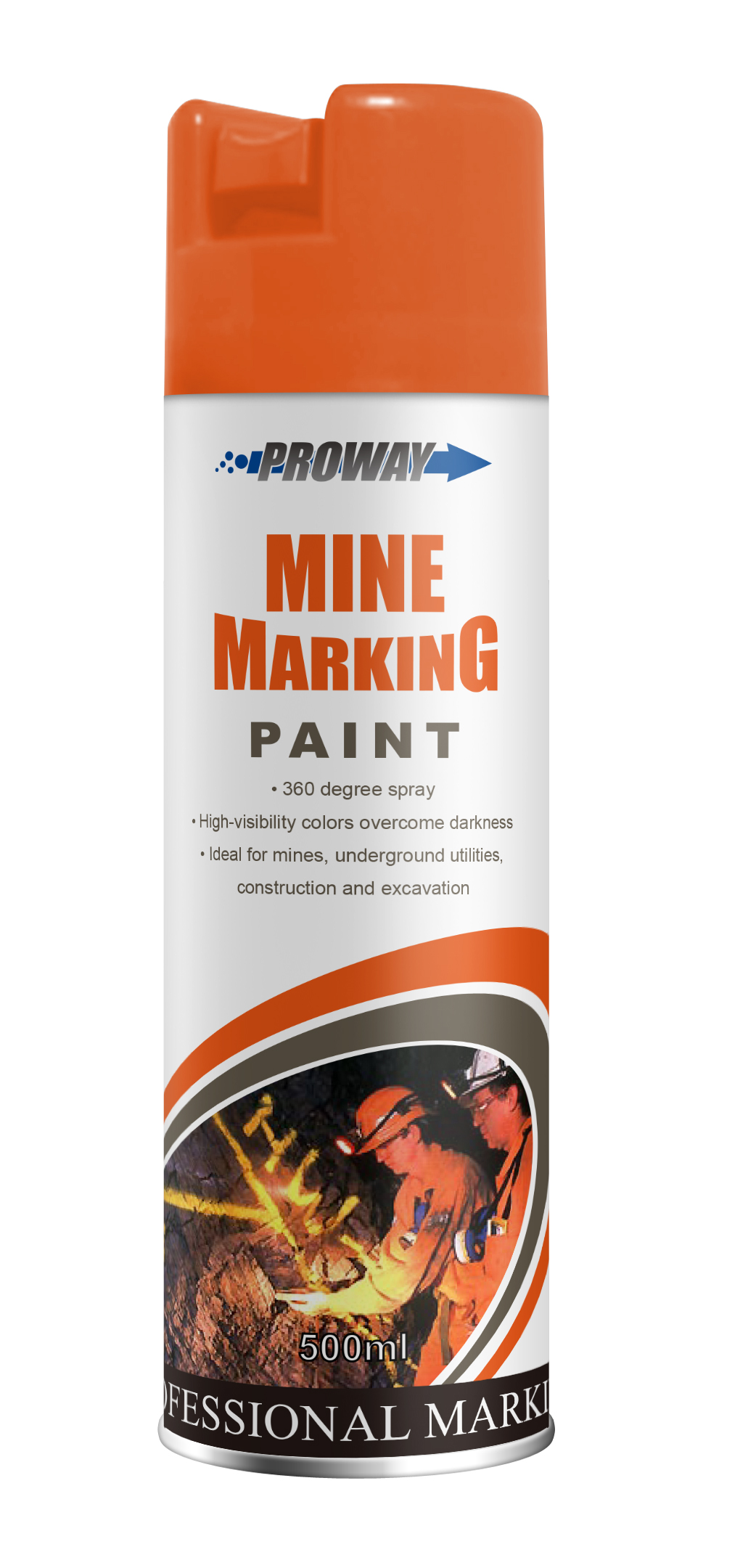
    Line marking paint https://marking-paint.com/marking-paint-images/Mine-Marking-Paint.jpg

    First, I need to recall what makes paint durable. Components like epoxy or polyurethane are known for their resilience. The user might not have mentioned it, but they’d want the paint to withstand abrasion, maybe chemicals, and frequent cleaning. They might also need quick drying times to minimize downtime in the factory.

    I should consider the surface preparation. Without proper cleaning and priming, even the best paint won’t adhere well. They might be applying this on concrete, which is porous, so a primer is essential. Also, application methods matter—using sprayers or rollers can affect the finish and durability.

    Environmental factors could be a concern. If the factory is in a humid area or experiences temperature fluctuations, the paint formula needs to accommodate that. UV resistance might be necessary if there’s exposure to sunlight, but maybe not if it’s an indoor facility.

    Safety is another aspect. The paint should be low in VOCs to ensure it’s safe for workers during application. Compliance with local regulations is a must here.

    Cost-effectiveness could be a hidden requirement. They might need a balance between high-quality materials and budget constraints. Maybe suggesting a two-component system like epoxy, which, while more expensive upfront, lasts longer and reduces the need for frequent reapplications.

    Application process details are important. How many coats? Drying times between coats? Curing time before the area can be used again? These factors affect the factory’s operations. Recommending a clear topcoat for high-traffic areas could add an extra layer of protection.

    Maintenance tips would also be helpful. Even durable paint needs proper care. Suggesting regular cleaning with appropriate cleaners and periodic inspections for wear and tear can extend the lifespan.

    I should also think about color options. High-visibility colors for safety markings, maybe different colors for different zones. The paint should retain its color without fading quickly.

    Possible challenges they might face include improper mixing of two-part paints, leading to failure, or inadequate surface preparation. Highlighting these pitfalls and how to avoid them would be useful.

    In summary, the answer needs to cover formulation (resins, pigments, additives), surface preparation, application methods, curing, and maintenance. Emphasizing each component’s role in durability and providing practical steps tailored to a factory environment will address their query effectively.

    Producing long-lasting marking paint for factory floors, equipment, or safety zones requires a durable formulation that resists abrasion, chemicals, UV exposure, and heavy traffic. Below is a step-by-step guide to creating and applying industrial-grade marking paint:


    1. Key Ingredients for Durable Marking Paint

    Choose components that ensure longevity and performance:

    • Resin Base:
      • Epoxy or Polyurethane: High chemical resistance, ideal for heavy machinery areas.
      • Acrylic: UV-resistant and fast-drying for indoor/outdoor use.
    • Pigments: Use alkali-resistant pigments (e.g., titanium dioxide for white, iron oxide for colors).
    • Solvents: Water-based (eco-friendly) or solvent-based (for extreme durability).
    • Additives:
      • Silica sand or glass beads for anti-slip texture.
      • Anti-fungal agents to prevent mold in humid environments.
      • UV stabilizers for outdoor applications.

    2. Formulation Process

    A. Epoxy-Based Marking Paint (Two-Part System)

    1. Part A (Resin):
      • Mix epoxy resin with pigments and additives.
      • Add silica sand (5–10% by weight) for texture.
    2. Part B (Hardener):
      • Use a polyamine hardener for chemical resistance.
    3. Mixing: Combine Parts A and B in the specified ratio (e.g., 2:1) just before application.

    B. Water-Based Acrylic Paint

    1. Blend acrylic emulsion with pigments and UV stabilizers.
    2. Add thickeners (e.g., cellulose) to prevent dripping.

    3. Surface Preparation

    Durability depends on proper surface treatment:

    1. Clean the Surface: Remove oil, grease, and debris with industrial degreasers or pressure washing.
    2. Etch Concrete: Use acid etching or mechanical grinding for better adhesion.
    3. Prime: Apply an epoxy or acrylic primer to seal porous surfaces.

    4. Application Methods

    • Spraying: For large areas (e.g., warehouse floors) using airless sprayers.
    • Rolling/Stenciling: For precise lines, symbols, or safety markings.
    • Anti-Slip Additions: Broadcast glass beads onto wet paint for reflective, slip-resistant surfaces.

    5. Curing and Testing

    • Epoxy: Cure for 24–72 hours (depending on temperature/humidity).
    • Acrylic: Dries in 1–2 hours; full cure in 7 days.
    • Performance Tests:
      • Abrasion Test: ASTM D4060 (500+ cycles for heavy-duty use).
      • Chemical Resistance: Check against oils, solvents, and cleaning agents.

    6. Maintenance Tips

    • Recoat high-traffic areas every 1–2 years.
    • Clean with pH-neutral detergents to avoid degrading the paint.

    Example Formulation (Epoxy Floor Marking Paint)

    ComponentPercentagePurpose
    Epoxy Resin50%Base for adhesion and durability
    Polyamine Hardener25%Curing agent
    Titanium Dioxide15%Pigment (white)
    Silica Sand8%Anti-slip texture
    UV Stabilizer2%Prevents yellowing

    Common Pitfalls to Avoid

    • Skipping primer or surface prep → Poor adhesion.
    • Incorrect resin/hardener ratio → Incomplete curing.
    • Using low-quality pigments → Rapid fading.

    For industrial-scale production, partner with chemical suppliers like Sherwin-Williams Industrial Coatings or Rust-Oleum for pre-formulated solutions, or customize mixes using the guidelines above.

    All right reserved!

  • What is the comming problem for marking paint?

    The marking paint industry is facing several key challenges that could impact its future. Here are some of the most pressing issues:

    1. Environmental Regulations and Sustainability

    • Governments worldwide are imposing stricter regulations on volatile organic compounds (VOCs) in paints to reduce air pollution. Many traditional marking paints contain high levels of VOCs, which are being phased out in favor of water-based or low-VOC alternatives.
    • Sustainable alternatives, such as biodegradable or eco-friendly marking paints, are still in the early stages of development and often come at a higher cost.

    2. Durability and Performance Issues

    • Many environmentally friendly paints do not yet match the durability of traditional solvent-based paints, especially in harsh weather conditions. Road markings, parking lot lines, and industrial marking paints need to withstand high traffic, UV exposure, and moisture.
    • Frequent repainting due to fading or wear increases maintenance costs and labor requirements.

    3. Supply Chain Disruptions and Raw Material Shortages

    • The availability of key raw materials, such as titanium dioxide (a key pigment for white paints), has been affected by supply chain issues, geopolitical conflicts, and increased demand from other industries.
    • Rising prices of resins, solvents, and pigments make it more expensive to produce high-quality marking paints.

    4. Adoption of Alternative Technologies

    • Some industries and municipalities are exploring alternatives to traditional marking paints, such as thermoplastic road markings, which are more durable and reflective but require specialized equipment and higher initial investment.
    • Laser marking and digital projection technologies are emerging in some fields, reducing the need for physical paint in certain applications.

    5. Labor Shortages and Application Challenges

    • The marking paint industry relies on skilled labor for proper application, especially for road and industrial markings. However, labor shortages in many regions make it difficult to meet demand.
    • Advances in automated application methods, such as robotic road striping machines, are helping but are not yet widely adopted.

    Conclusion

    The marking paint industry is undergoing significant changes, driven by regulatory pressures, sustainability concerns, and technological advancements. Manufacturers and contractors must adapt by developing longer-lasting, eco-friendly products while overcoming supply chain and labor challenges.

    Would you like information on specific marking paint types or industry solutions?