Tag: marking paint

  • What is Quality Standards for marking paint ?| marking-paint.com

    Quality standards for marking paint (also known as pavement marking paint, traffic paint, or road marking paint) are defined by various national and international organizations to ensure durability, visibility, safety, and environmental compliance. These standards cover aspects like composition, performance, drying time, reflectivity, and resistance to weathering and wear.
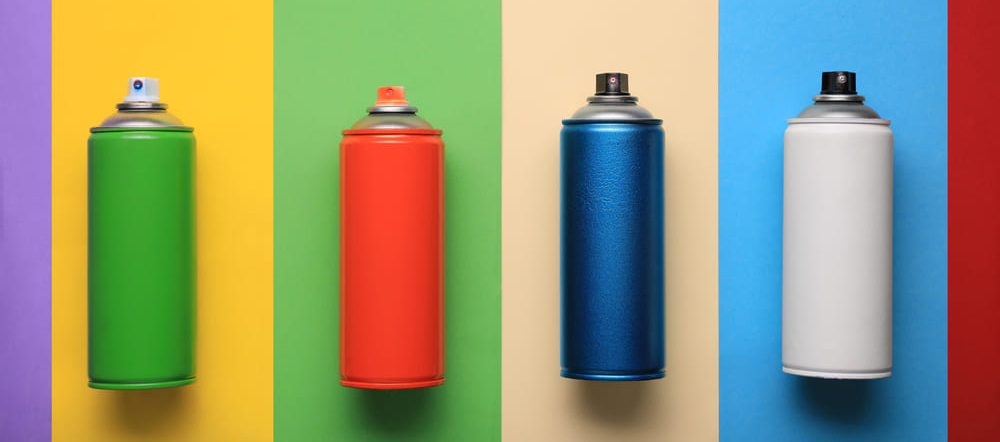
    marking paint factory https://marking-paint.com

    Key Quality Standards for Marking Paint

    1. International Standards

    • ISO 17198 – Road marking materials: Performance requirements.
    • ISO 20471 – High-visibility clothing (indirectly relevant for road safety).

    2. United States Standards

    • ASTM D6628 – Standard Specification for Color of Pavement Marking Materials.
    • ASTM D713 – Standard Practice for Conducting Road Service Tests on Fluid Traffic Marking Materials.
    • ASTM D2369 – Standard Test Method for Volatile Content of Coatings.
    • ASTM D4764 – Standard Guide for Application of Traffic Marking Paint.
    • Federal Specification TT-P-1952 – U.S. federal standard for waterborne and solvent-based traffic marking paints.
    • FHWA MUTCD – Federal Highway Administration’s Manual on Uniform Traffic Control Devices (defines visibility, color, and placement requirements).

    3. European Standards

    • EN 1436 – Road marking materials: Performance requirements for road users (luminance, retroreflectivity, skid resistance).
    • EN 1871 – Road marking materials: Specifications for paint, thermoplastics, and cold plastics.

    4. Other National Standards

    • BS 6044 (UK) – Specification for road marking materials.
    • AS/NZS 4049 (Australia/New Zealand) – Performance requirements for road marking paint.
    • IS 164 (India) – Indian standards for road markings.

    Common Quality Criteria

    1. Durability – Paint should withstand traffic wear and environmental conditions.
    2. Retroreflectivity – High reflectivity for nighttime visibility (measured in millicandelas per square meter per lux).
    3. Skid Resistance – Ensures vehicle traction and pedestrian safety.
    4. Drying Time – Fast drying to minimize road closure times.
    5. Adhesion – Strong bonding with asphalt and concrete.
    6. Weather Resistance – UV, rain, and temperature fluctuation resistance.
    7. Eco-Friendliness – Compliance with regulations on volatile organic compounds (VOCs) and hazardous materials.

    Would you like information on specific testing methods or certification requirements?

    All right reserved!
  • News about marking paint | www.marking-paint.com

    The marking paint industry is experiencing steady growth, driven by increasing road construction, rising vehicle sales, and government investments in transportation infrastructure. The global road marking paints and coatings market is projected to reach approximately $15.88 billion by 2037, growing at a 6.8% CAGR from 2025 to 2037.

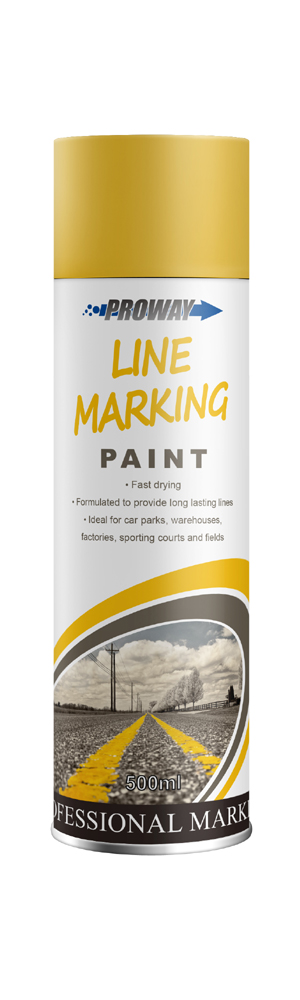
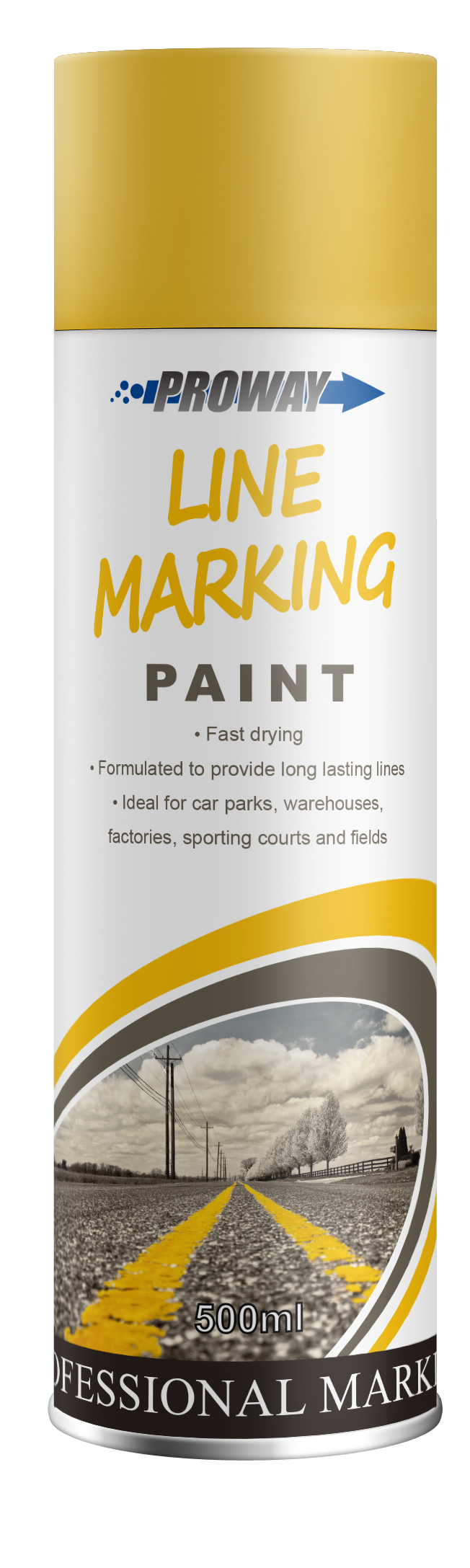
    Line Marking Paint https://marking-paint.com/marking-paint-images/Line-Marking-Paint.jpg

    Key Trends:

    • Asia-Pacific is the largest market, with China and India leading due to their vast road networks and infrastructure projects.
    • Innovations in eco-friendly paints, such as water-based acrylic marking paints with low volatile organic compounds (VOCs), are gaining popularity.
    • Major industry players include Sherwin-Williams, PPG Industries, Dow Chemical, Nippon Paint, and Geveko Markings.
    • New technologies like Dow’s DURATRACK 2K Technology offer enhanced adhesion and durability, especially for green bike lanes​.

    Would you like information on a specific aspect of the marking paint industry, such as manufacturers or emerging technologies?

    Just let me know if there is any more question. 🙂

  • What is marking paint? | marking-paint.com

    Marking paint, also known as marking chalk or spray chalk, is a type of temporary paint used to create visible lines or marks on various surfaces, such as grass, soil, pavement, or sports fields. It is commonly used for:

    Marking Paint Manufacturer	https://www.marking-paint.com
    1. Sports Fields: To mark boundaries, lines, or other indicators on playing surfaces like soccer fields, baseball diamonds, or running tracks.
    2. Construction and Landscaping: To outline areas for digging, construction, or landscaping projects.
    3. Events and Festivals: To mark pathways, booths, or activity areas temporarily.
    4. Utility and Surveying Work: To indicate underground utilities, property boundaries, or other important locations.

    Marking paint is typically water-based, non-toxic, and designed to fade or wash away over time with rain or exposure to the elements. It is often applied using spray cans or paint machines for quick and efficient coverage.

    All right reserved!

  • What is the difference between marking paint and Aerosol Products

    The difference between marking paint and aerosol products lies in their purpose versus form:

    1. Marking Paint:
      • Purpose: Specifically designed to create visible, durable marks on surfaces (e.g., construction sites, sports fields, utility lines).
      • Formats: Can be aerosol-based (spray cans), liquid applied with brushes/rollers, or even powder.
      • Features: Often formulated for high visibility, weather resistance, and temporary or permanent adhesion. Colors like fluorescent orange, pink, or blue are common.
    2. Aerosol Products:
      • Form: Refers to any product dispensed as a fine spray via a pressurized container (aerosol can).
      • Uses: Broad category including paints, cleaners, cosmetics (e.g., hairspray), insecticides, and adhesives.
      • Scope: Not limited to paint—encompasses many industries and applications.

    Key Difference:

    • Marking paint is defined by its application purpose (marking surfaces), while aerosol products are defined by their delivery method (pressurized spray).
    • Marking paint can be an aerosol product, but aerosol products include far more than just paint (e.g., deodorants, cooking sprays).
    • Non-aerosol marking paints (e.g., brush-applied) exist, and not all aerosol paints are for marking (e.g., decorative spray paints).

    Example:

    • Aerosol marking paint = pressurized can used to spray temporary construction lines.
    • Non-aerosol marking paint = liquid applied with a squirt bottle for garden layouts.
    • Non-paint aerosol product = air freshener or spray sunscreen.

    If there is any more question, just let me know. 🙂

    All right reserved!

  • Marking paint tips | marking-paint.com

    Marking paint, also known as marking spray or utility marking paint, is a type of paint specifically designed for temporary or semi-permanent markings on various surfaces, such as grass, soil, pavement, concrete, or asphalt. It is commonly used in construction, landscaping, surveying, and utility work to indicate the location of underground utilities (like gas lines, water pipes, or electrical cables), property boundaries, or planned excavation sites.

    Key Features of Marking Paint:

    1. Bright Colors: Marking paint is available in highly visible colors like red, yellow, blue, green, orange, and pink. Each color often corresponds to a specific type of utility or purpose (e.g., red for electrical lines, yellow for gas lines).
    2. Temporary: It is designed to fade over time or wash away with rain, making it ideal for short-term use.
    3. Aerosol Spray: Most marking paints come in aerosol cans for easy application, allowing users to quickly mark lines, symbols, or words.
    4. Non-Toxic and Environmentally Friendly: Many marking paints are formulated to be safe for the environment and non-toxic to plants and animals.
    5. Durable: While temporary, it adheres well to surfaces and can withstand moderate weather conditions until it is no longer needed.

    Common Uses:

    • Utility Marking: To identify the location of underground utilities before digging (often part of the “Call Before You Dig” process).
    • Construction Layouts: To mark where structures, roads, or other features will be built.
    • Surveying: To indicate property lines, elevation points, or other survey-related information.
    • Sports Fields: To temporarily mark lines or boundaries on grass or turf.

    Safety and Regulations:

    Marking paint https://www.marking-paint.com

    When using marking paint, it’s important to follow local regulations and guidelines, especially when marking utilities. Misuse or incorrect markings can lead to dangerous situations, such as accidental damage to underground lines. Always verify the accuracy of your markings and use the appropriate color codes.

    Types of Marking Paint

    1. Water-Based Marking Paint – Eco-friendly and used for temporary markings.
    2. Solvent-Based Marking Paint – More durable and resistant to weather.
    3. Temporary Marking Paint – Designed to fade or be washed away over time.
    4. Fluorescent/High-Visibility Paint – Used in areas requiring enhanced visibility.
    5. Upside-Down Marking Paint – Specially designed spray cans for easy ground application.

    Would you like recommendations on the best marking paint for a specific purpose? Just let me know.:)

    All right reserved!

  • How to make good use of marking paint

    Marking paint is designed for temporary, highly visible markings on surfaces like grass, pavement, dirt, and concrete. Here’s how to make good use of it:

    1. Choose the Right Type of Marking Paint

    • Water-based: Best for grass, turf, and temporary markings.
    • Solvent-based: More durable; ideal for asphalt, concrete, and construction sites.
    • Inverted spray cans: Designed for easy application while standing.
    • Chalk-based: Temporary and washes off easily.

    2. Prepare the Surface

    • Dry surfaces: Ensure the area is free from water, oil, or debris for better adhesion.
    • Clean area: Sweep or blow away dirt and loose materials for clearer markings.

    3. Use Proper Application Techniques

    • Hold the can upright or inverted (depending on the type) and about 6-12 inches from the surface.
    • Use consistent pressure to ensure even paint distribution.
    • Move steadily while spraying to avoid excessive buildup or drips.
    • Use stencils for precise lettering or symbols.
    • For straight lines, use string, tape, or a marking wand for control.

    4. Consider Visibility & Durability

    • Bright colors (fluorescent orange, pink, yellow, etc.) for high visibility.
    • Dark colors (blue, red, black, etc.) for contrast on lighter surfaces.
    • Reapply as needed if markings fade due to weather or wear.

    5. Safety Tips

    • Ventilation: Use in well-ventilated areas if spraying indoors.
    • Protective gear: Wear gloves and a mask if applying for extended periods.
    • Storage: Keep cans in a cool, dry place away from direct sunlight.

    What are you using marking paint for? (Construction, sports fields, landscaping, etc.?) Just let me know directly. 🙂

    All right reserved!

  • What is Animal Marking Paint? | www.marking-paint.com

    Animal marking paint is a type of specialized paint used to temporarily or permanently mark animals for identification, tracking, or management purposes. It is typically formulated to be non-toxic, quick-drying, and safe for use on animals. These paints are commonly used in agriculture, research, and wildlife management.

    Key Features:

    1. Non-toxic: Designed to be safe for animals and the environment.
    2. Durable: Resistant to weather and physical activity, though some types are temporary and designed to fade over time.
    3. Bright Colors: Often available in fluorescent or easily visible colors for clear identification.
    4. Application Methods: Can be applied using spray cans, brushes, or markers, depending on the type.

    Common Uses:

    • Livestock Management: Farmers use it to identify individual animals or groups for breeding, medical treatment, or transport.
    • Wildlife Studies: Researchers mark animals to track movements, study behavior, or monitor populations.
    • Event Identification: Used in events like animal competitions or races for participant identification.

    Types:

    • Temporary Paint: Washable or designed to fade after a certain period.
    • Semi-Permanent Paint: Lasts for weeks or months before fading.
    • Permanent Paint: Used when a long-lasting mark is needed, such as branding.

    Here is the benifit of the Animal Marking Paint made by marking-paint.com.

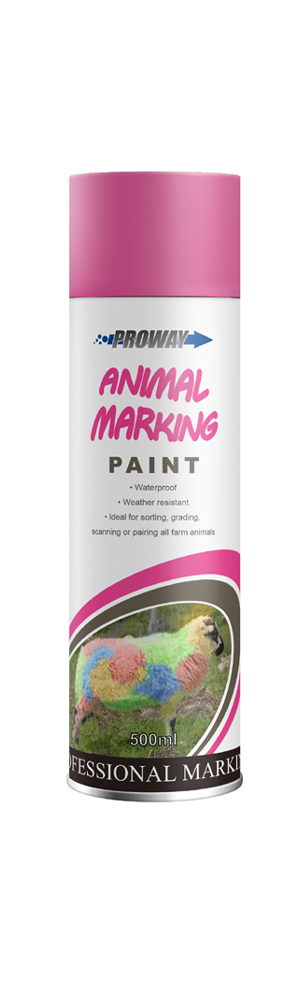
    Animal Marking Paint

    PROWAY Animal Marking paint made of special formula to make a long-lasting, highly visible mark on cattle, swine, sheep, pig, horse or any livestock. The spray cans contain harmless solvent and environmentally friendly propellant, which is formulated to be safer for the environment, animals, and users. Extremely fast drying, resists fading. Once dry, is fully weatherproof and waterproof. Also ideal for marking synchronized cows, dry cows, medicated animals, freshening dates; identifying newborns and dams; sorting animals, or any other marking needs. It can be sprayed in an inverted position. Write numbers, letters, and symbols on the back and sides of the animal.

    PROWAY Animal Marking paint https://www.marking-paint.com/marking-paint-images/Animal-Marking-Paint.jpg

    Features:Waterproof. Weather resistant. Ideal for sorting, grading, scanning or pairing all farm animals.

    It is important to choose the right type of paint based on the specific application and ensure it complies with animal welfare standards.

  • How to choose Glass Spray | marking-paint.com

    When choosing a glass spray for cleaning, here are key factors to consider:

    1. Type of Glass

    • General Glass: Standard sprays are suitable for windows, mirrors, and tabletops.
    • Specialized Surfaces: For tinted or frosted glass, ensure the spray is labeled as safe for those finishes.
    • Auto Glass: Use automotive glass cleaners designed to handle grime and minimize streaks.

    2. Ingredients

    • Ammonia-Based: Effective for tough grime and grease but may not be safe for tinted or treated glass.
    • Ammonia-Free: Safer for sensitive surfaces like electronics, tinted windows, or furniture.
    • Eco-Friendly Options: Look for biodegradable formulas or those free from harsh chemicals to reduce environmental impact.

    3. Performance

    • Streak-Free: Ensure the product promises a streak-free finish, as streaks are a common complaint with glass cleaners.
    • Fast-Drying: Helps reduce effort and leaves a polished look.
    • Residue-Free: Avoid products that leave a cloudy residue or sticky feel.

    4. Ease of Use

    • Spray Mechanism: Choose a product with a reliable spray nozzle for even application.
    • Wipes or Sprays: Some people prefer pre-moistened wipes for convenience, though sprays often offer better value.

    5. Brand and Reviews

    • Popular brands like Windex, Seventh Generation, and Method have reputable glass-cleaning products. Check user reviews for real-world effectiveness.

    6. Cost

    • Compare prices per ounce, as some premium products may offer better performance at a slightly higher price.

    7. Specific Needs

    • Anti-Fog or Anti-Static: For bathrooms or electronic screens, consider products with added features like anti-fogging or anti-static properties.
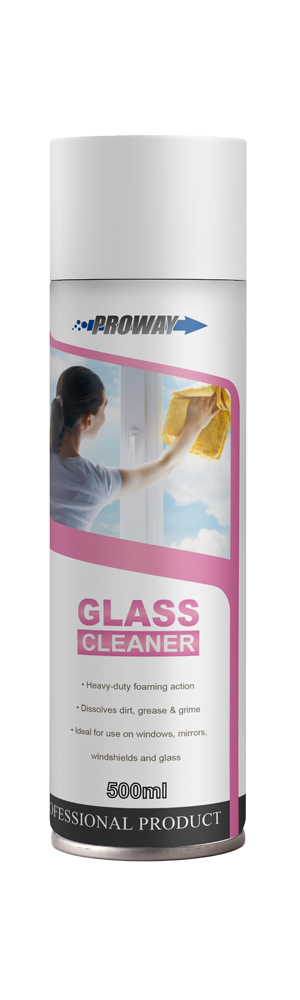
    Glass Spray  https://www.marking-paint.com/marking-paint-images/Glass-Cleaner.jpg

    Here is your best choice:

    Clean and polish any glass surface with this easy-to-use, fast-acting glass Spray . PROWAY Glass Spray is ammonia-free, cleans thoroughly without leaving streaks, dries quickly, and leaves a clean, fresh scent. With a formulation using denatured alcohol and no ammonia. It’s perfect for cleaning and polishing glass, mirrors, windshields and windows. Specially formulated to clean windows, mirrors, stainless steel, ceramic tiles, porcelain & windscreens. Helps prevent misting of interior car windows. Ideal for cleaning car glasses, headlights and mirrors from oil, grease and nicotine residues. Does not leave a film or streaks. Can be used in the household for cleaning mirrors, crystal and ceramic tiles.

    Features:Heavy-duty foaming action .Dissolves dirt, grease & grime.Ideal for use on windows, mirrors, windshields and glass .

    From: https://www.marking-paint.com/Glass-Cleaner.html

    By matching the spray to your specific needs and surface requirements, you can ensure the best cleaning results. Let me know if you’d like recommendations or help comparing products!

  • How to choose the best marking paint factory

    How to choose the best marking paint factory !  www.marking-paint.com

    Choosing the best marking paint factory is crucial to ensure high-quality products, timely delivery, and cost efficiency. Here’s a step-by-step guide to help you select the right factory:


    1. Assess Product Quality

    • Material Composition: Verify the ingredients used in the paint (e.g., acrylic, oil-based, or water-based) to ensure durability and suitability for your application.
    • Performance Tests: Check resistance to weather, abrasion, and fading.
    • Certifications: Look for ISO or other industry-standard certifications that guarantee quality.

    2. Evaluate Production Capacity

    • Volume Capabilities: Ensure the factory can meet your required quantity, whether it’s for small orders or bulk production.
    • Flexibility: Confirm if they can handle customizations or special orders (e.g., specific colors or eco-friendly formulas).

    3. Inspect Facilities and Technology

    • Modern Equipment: Factories with advanced machinery often produce more consistent and higher-quality paint.
    • Research and Development: A strong R&D department indicates the ability to innovate and improve products.

    4. Review Compliance and Sustainability

    • Environmental Standards: Check if the factory adheres to environmental regulations and produces low-VOC (Volatile Organic Compounds) paints.
    • Safety Measures: Ensure they follow safety standards in production.

    5. Check Reputation

    • Client Reviews: Research online reviews, testimonials, or case studies.
    • References: Request references from previous clients to verify reliability and quality.

    6. Assess Logistics and Delivery

    • Lead Times: Verify their ability to deliver on time consistently.
    • Geographical Location: Consider the factory’s location to reduce shipping costs and ensure easier communication.

    7. Compare Pricing

    • Cost Transparency: Request detailed quotes to understand cost breakdowns.
    • Value for Money: Balance price with quality and service to get the best overall value.

    8. Communication and Support

    • Responsiveness: Evaluate how quickly and effectively they respond to inquiries.
    • Customer Service: A good factory provides after-sales support and resolves issues promptly.

    By evaluating these factors, you can select a marking paint factory that aligns with your needs and ensures long-term satisfaction. If you need help finding specific manufacturers or comparing options, let me know!

  • What is marking paint?

    Marking paint, also known as paint markers or line – marking paint, is a type of paint used to create visible marks or lines on various surfaces.

    It’s often used outdoors on roads, pavements, construction sites, and sports fields to mark boundaries, parking spaces, directions, or areas that need attention like utility lines. It’s designed to be highly visible, usually in bright colors such as white, yellow, or red. Some marking paints are more durable and weather – resistant to withstand exposure to sun, rain, and traffic.

    From: Marking paint  https://www.marking-paint.com